 |


| Quantity: | |
|---|---|
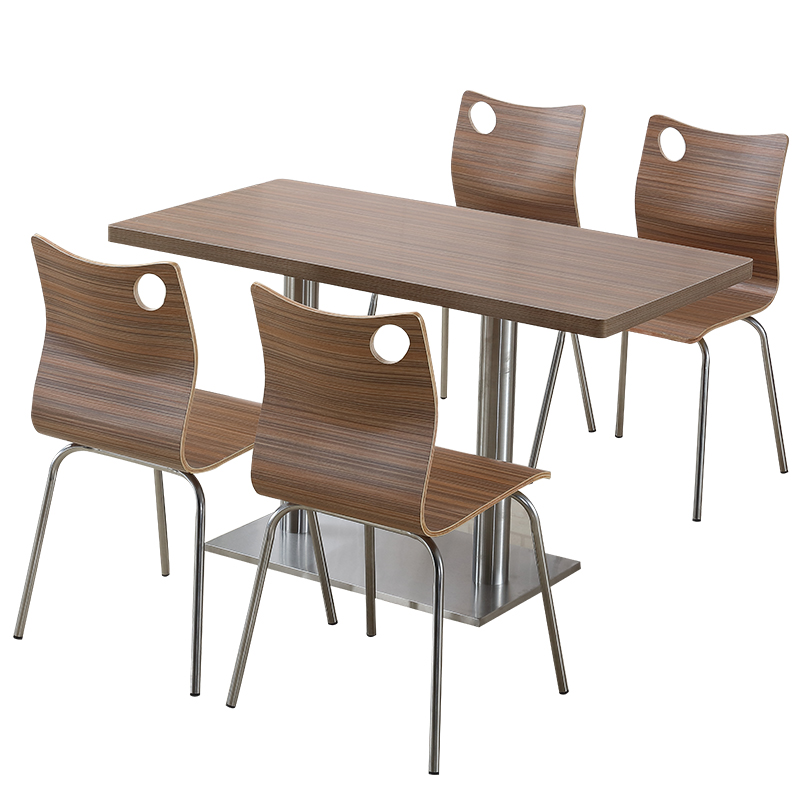
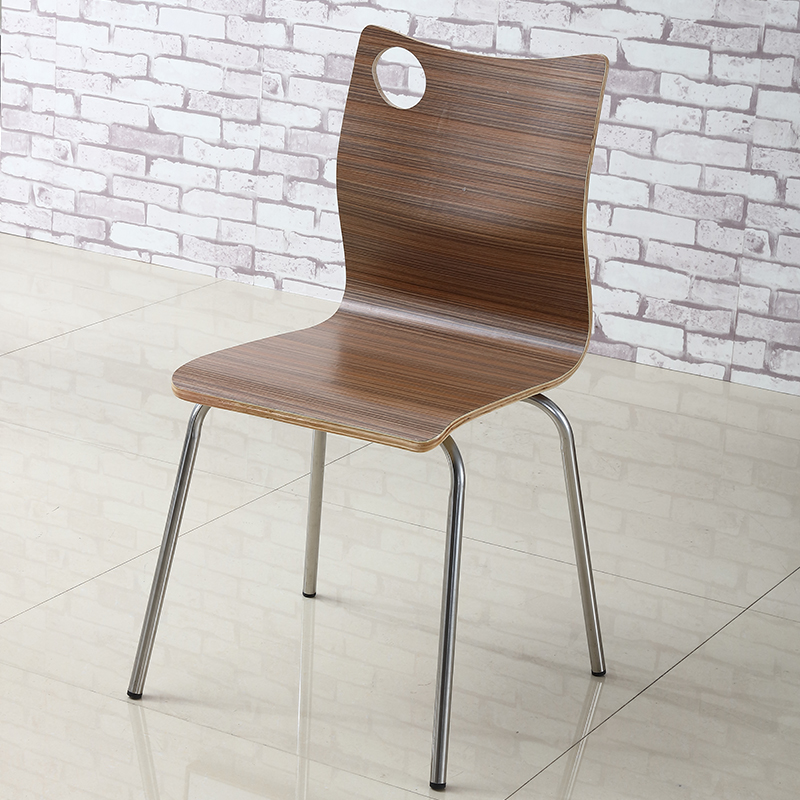
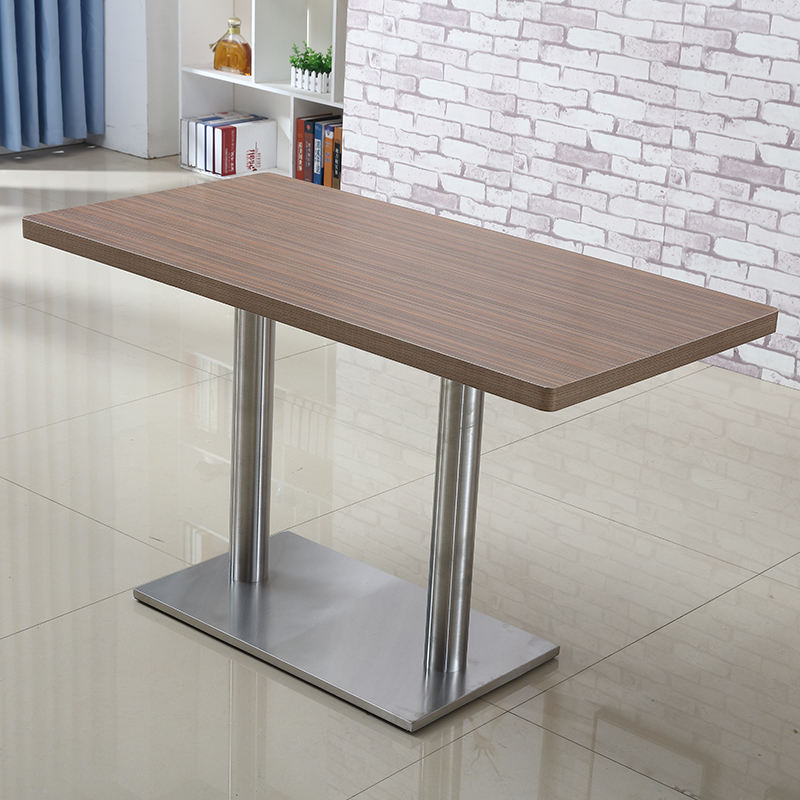
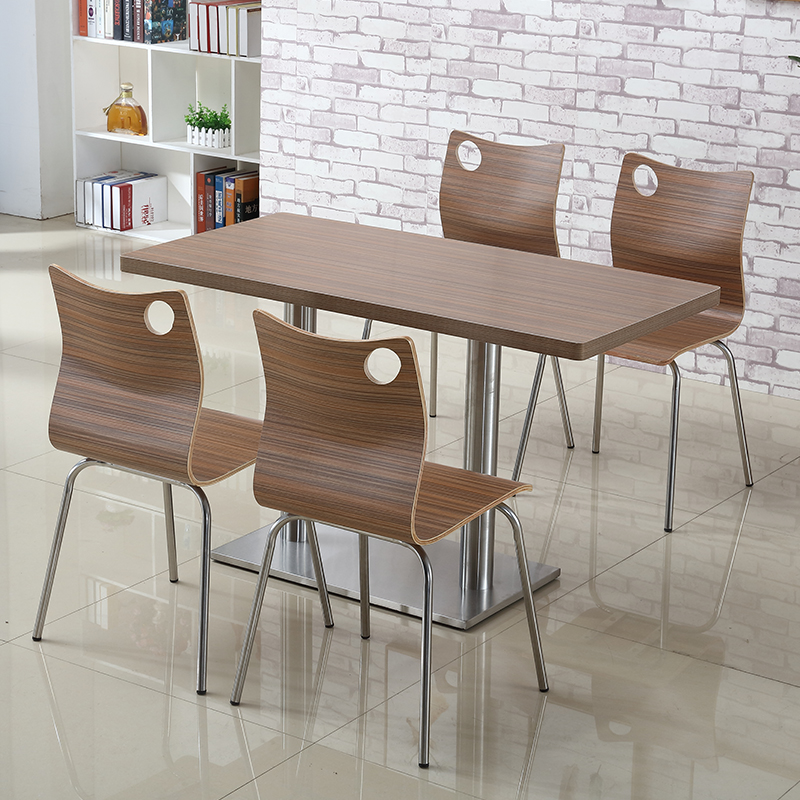
Core advantage: The perfect combination of flexibility and space efficiency
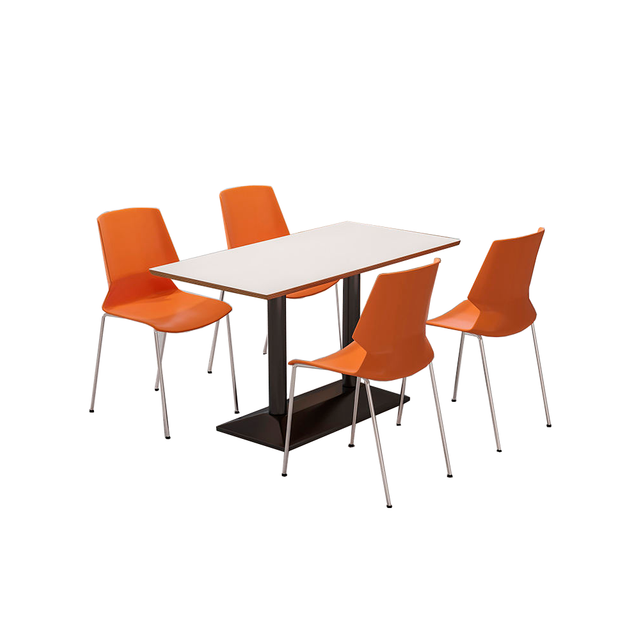
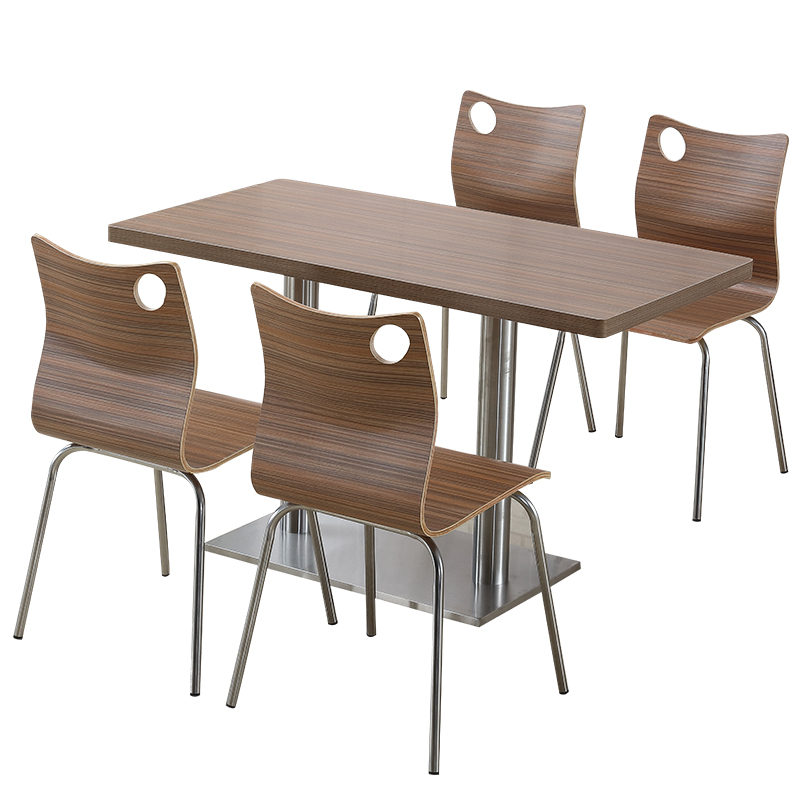
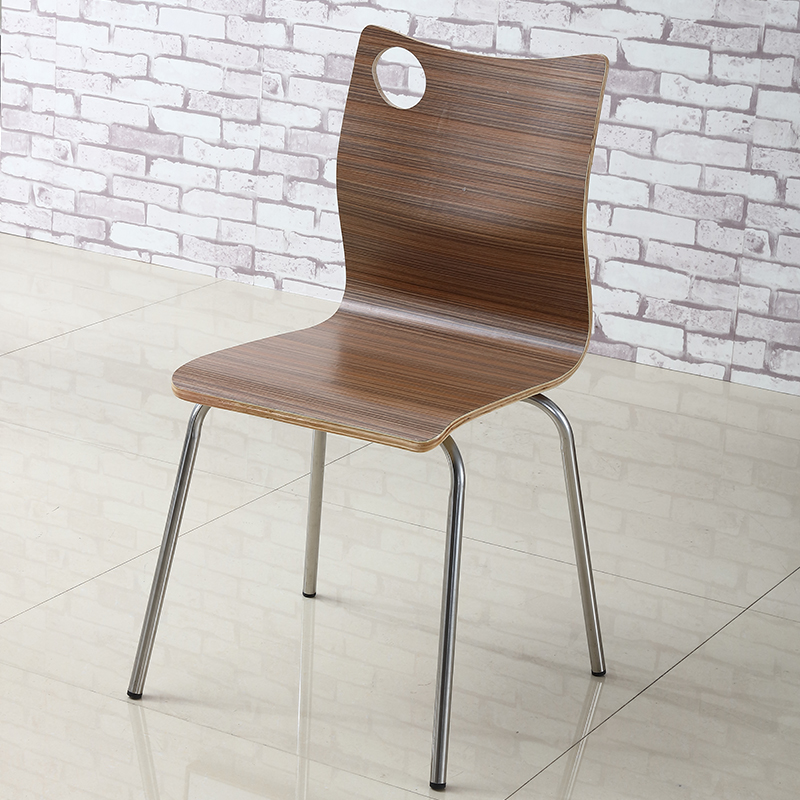
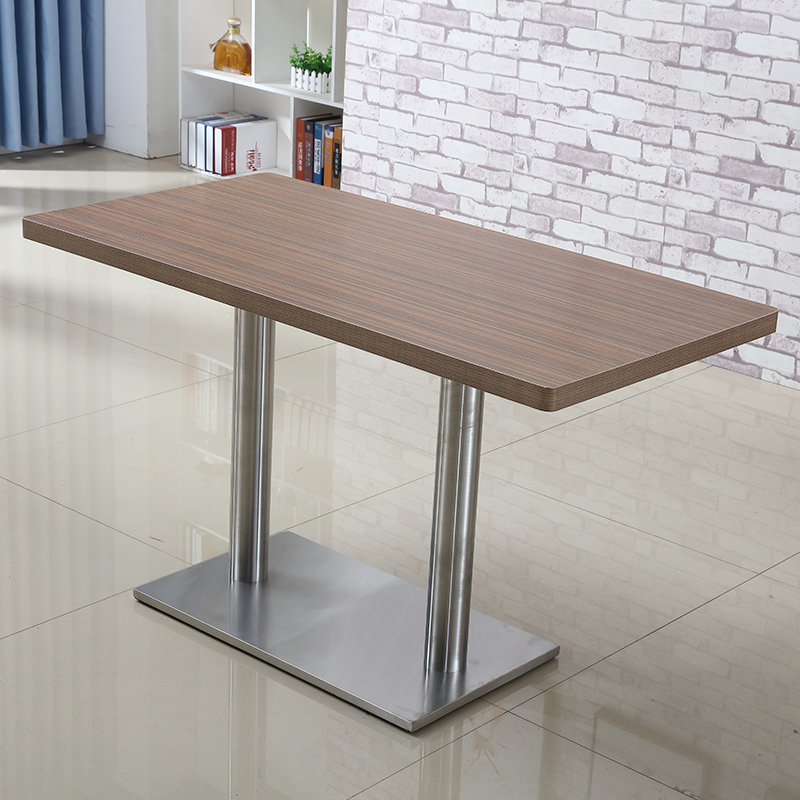
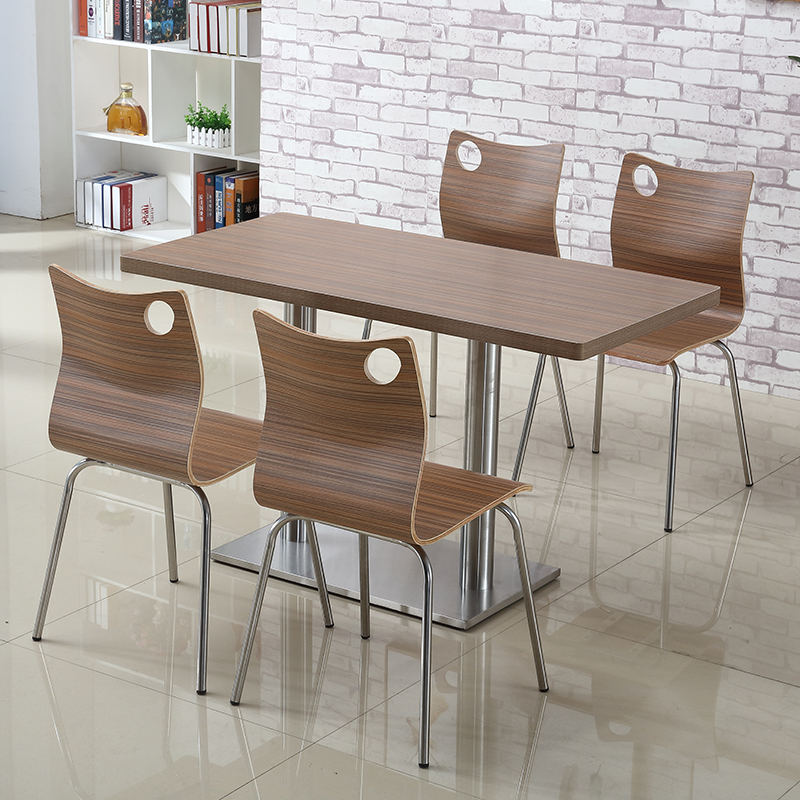
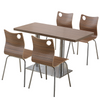
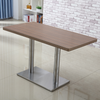
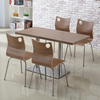
The core idea of this combination is that the "fixed" element (dining table) itself is a movable module, while the "movable" element (chair) can achieve ultra efficient storage. The combination of the two achieved the effect of 1+1>2.
1. The ultimate flexibility of spatial layout
Quickly respond to multiple needs: This combination can easily handle various scenarios.
Single/double dining: Arrange the tables in a scattered manner.
Group gathering: Combine several tables into a large table.
Large scale events/training: Move the table away and use only stacked chairs arranged in a theater style; Or keep the tables arranged in a classroom style.
Clearing the venue: Remove all tables and chairs for cleaning or other activities.
User led space: Users can freely choose to sit with others or be alone, promoting social autonomy.
2. Unparalleled cleaning and maintenance convenience
Thoroughly clean with no dead corners: This is an overwhelming advantage over integrated tables and chairs. During cleaning, all stacked chairs can be moved away or stacked aside, and the dining table can be easily moved, exposing the entire floor for thorough cleaning, mopping, and disinfection.
Independent maintenance, low cost: Any chair or table that is damaged can be repaired or replaced separately, without causing any major impact, greatly reducing long-term maintenance costs and difficulties.
3. Excellent space utilization and storage efficiency
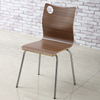
Vertical stacking, freeing up space: Stacking chairs can be stacked layer by layer during non meal peak periods (such as non meals, holidays) and stored in dedicated corners or storage rooms, freeing up huge free space for the restaurant to use for other temporary activities.
Dynamic space management: This combination makes the restaurant no longer a single function "canteen", but a "multifunctional hall" that can change its functions and capacity at any time.
4. Improve environmental aesthetics and comfort
Visual transparency: Independent dining tables and chairs are visually lighter than bulky integrated tables and chairs, making the space appear more spacious and bright, reducing crowding and oppression.
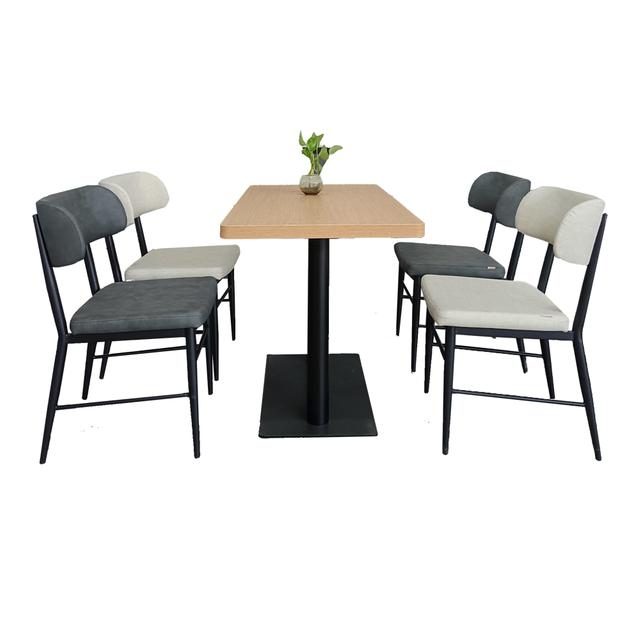
Modernism and Design: This combination usually uses furniture with a more design oriented feel, which makes it easier to create a warm, modern, coffee shop like dining atmosphere, greatly improving the environmental quality and user experience.
Applicable scenarios
This combination scheme is an ideal choice for the following scenarios:
University cafeteria/dining hall
Enterprise employee canteen
Leisure area for large technology companies
A multifunctional restaurant that needs to serve as both a banquet hall and a conference hall
Any dining area that emphasizes user experience, requires spatial flexibility, and modernity